| Feature | Natural Diamonds | Lab-Grown Diamonds |
|---|---|---|
| Origin | Formed naturally under Earth's surface | Created using advanced technology in a laboratory |
| Time to Form | 1 to 3 billion years. | A few weeks. |
| Chemical Makeup | Carbon (C) – Pure crystalline carbon | Identical – pure crystalline carbon |
| Appearance | Visually identical | Visually identical |
| Certification | GIA, IGI, SGL, etc. | IGI, GCAL, GIA, etc. |
| Cost | Generally more expensive | 20–40% more affordable on average |
| Environmental Impact | Mining can have environmental effects | Lower carbon footprint & eco-friendly production |
| Value Appreciation | Traditionally retains value over time | Still emerging in resale market |
Whether natural or lab-grown, every diamond is graded using the 4Cs developed by GIA:


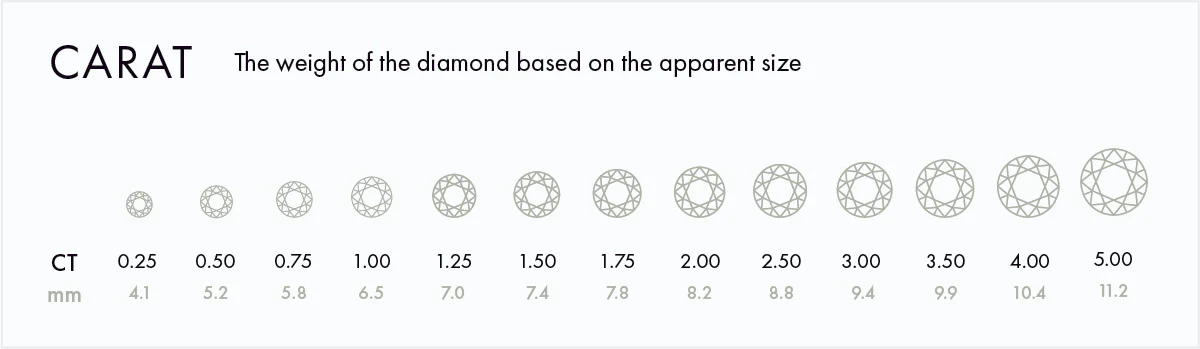
All our diamonds—natural or lab-grown—are certified by leading gemological labs like IGI, GIA, or SGL to ensure:
Authenticity
Accurate 4C grading
Full transparency


This address will be removed from this list